



Depression in Children: Signs Every Parent Should Know
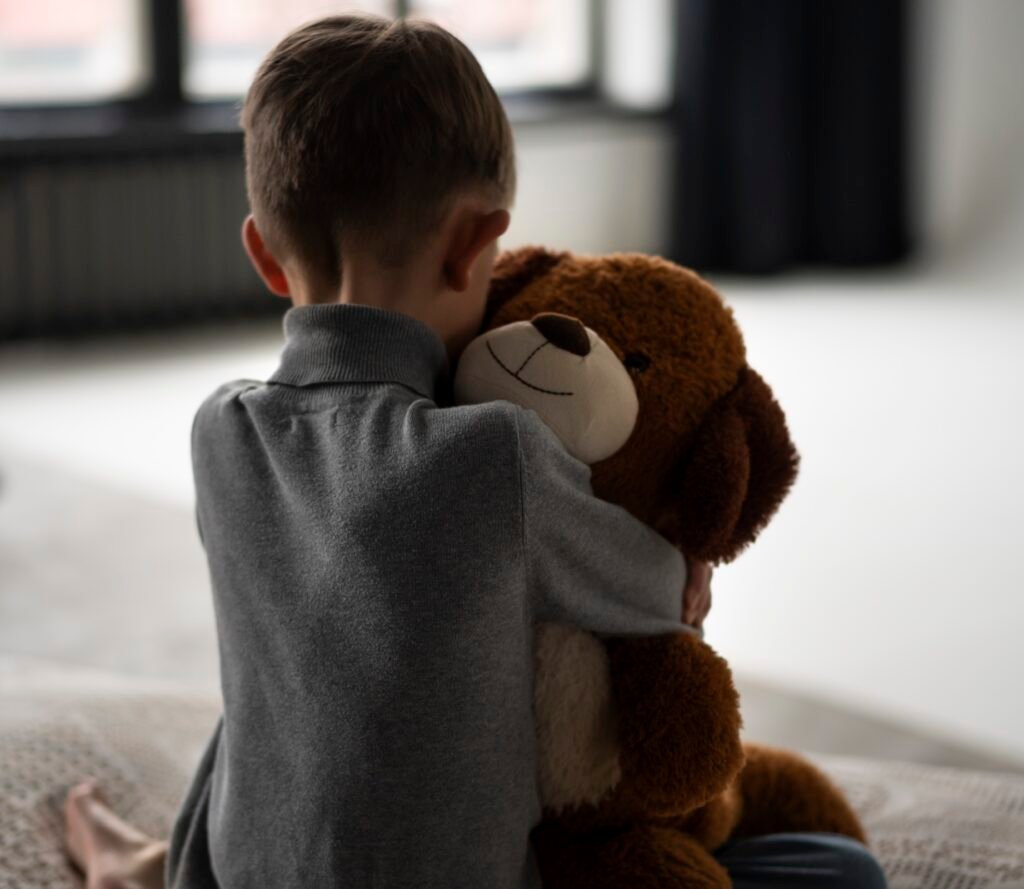
Depression in children is more common than many parents realise. While it can be worrying, going through emotions is part of life. All children and young people will experience sadness or difficult emotions at times. However, persistent low mood and behavioural changes may indicate something more serious. Understanding the difference between everyday emotional ups and downs and childhood depression can help you as a parent recognise when support may be needed.
This article explains what childhood depression looks like, how early it can occur, common signs and risk factors, and what parents can do if they are concerned.
Table of Contents
Low Mood vs Depression in Children
All children experience emotional difficulties at times. They may feel low after friendship problems, academic stress or changes at home. In these situations, mood usually improves within a few days or weeks, especially when circumstances change or support is offered.
Depression in children is different. When a child is experiencing depression, low mood tends to persist for weeks or longer and begins to interfere with daily functioning. Depression in children can affect school attendance, concentration, relationships, sleep and enjoyment of activities. Importantly, children experiencing depression often do not feel better on their own without additional support.
How Early Can Depression in Children Begin?
A common myth is that depression only affects teenagers or adults. In reality, depression in children can occur at any age, including early childhood.
Clinical guidance confirms that:
- Depression symptoms can be identified in preschool and primary-school-aged children. Although the NICE Guidelines cover the identification and treatment of depression in individuals from 5 to 18 years old, younger children can present symptoms compatible with depression too.
- Prevalence increases during adolescence, particularly around puberty.
In younger children, depression often presents differently than in adults. Because emotional language and self-awareness are still developing, depression in children is frequently expressed through behavioural and physical changes rather than verbal descriptions of sadness or hopelessness.
Signs of Depression in Children
Depression in children usually involves a noticeable change from a child’s usual behavioural patterns or emotional state. Symptoms typically last two weeks or more and occur across different settings, such as home and school.
Emotional and Mood Changes
A child or teenager experiencing depression may:
- Seem persistently sad, flat or unhappy
- Appear emotionally numb or empty
- Be unusually irritable, angry or aggressive. Although irritability is common in teenagers, being significantly more irritable than usual can be a warning sign of depression.
- Have frequent temper outbursts or tantrums
- Express feelings of worthlessness or excessive guilt your child might say, ‘It’s always my fault’
- Use negative self-talk such as “I’m not good at anything” or “Nobody likes me”
- Feel hopeless about the future
- Appear anxious or worried most of the time
Changes in Their Interest in Daily Activities
One of the core features of depression in children and adolescents is a loss of interest in everyday activities. You may notice that your child:
- Stops enjoying activities they previously liked
- Withdraws from friends or family
- Avoids social situations
- Loses motivation for hobbies or extracurricular activities
- Becomes reluctant or refuses to attend school
Physical Symptoms of Depression in Children
Depression in children frequently includes physical symptoms, such as:
- Persistent tiredness or low energy
- Sleep difficulties, nightmares or changes in sleep patterns
- Changes in appetite, eating significantly more or less than usual
- Recurrent headaches or tummy aches with no clear medical explanation
These physical complaints are a common way children express emotional distress and should be taken seriously when they persist.
Behavioural and School-Related Changes
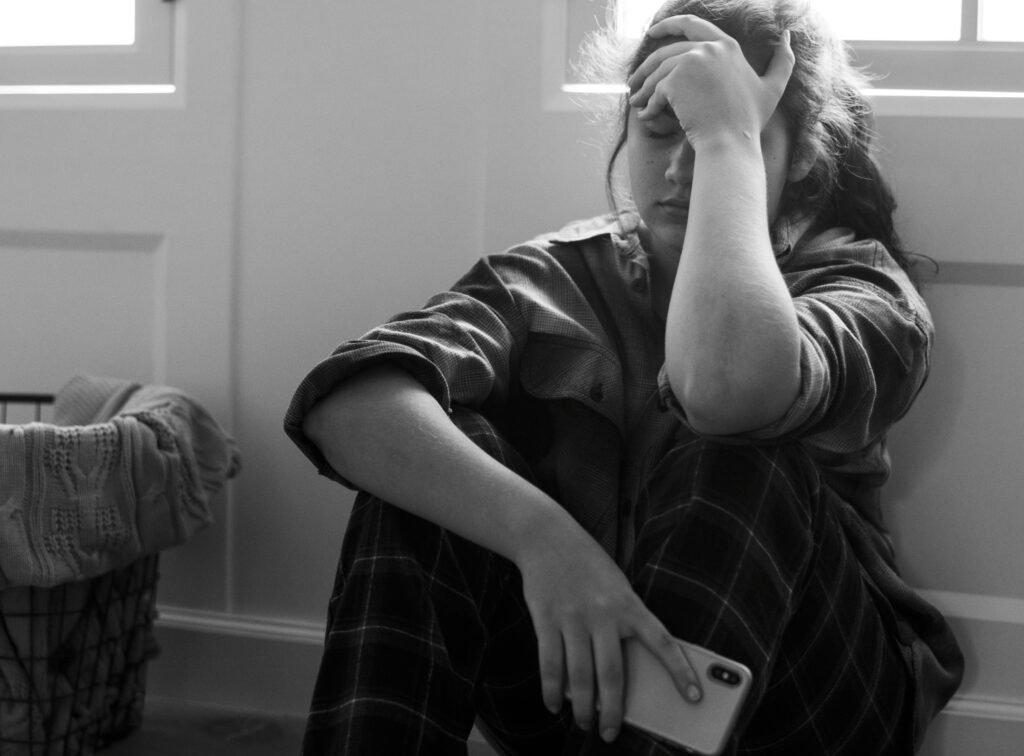
Depression in children often affects learning and behaviour. At school, this may include:
- Declining academic performance
- Difficulty concentrating or remembering information
- Reduced participation in lessons or activities
- Problems fitting in with peers
- Increased absences or school refusal
Teachers are often well placed to notice these changes and can provide valuable observations.

Risk Factors for Depression in Children
Depression in young people rarely has a single cause. It usually develops through a combination of biological, psychological and social factors, including:
- A family history of depression or other mood disorders
- Bullying or ongoing peer difficulties
- Bereavement or significant loss
- Parental separation or family stress
- Puberty and hormonal changes
- Being female (rates increase in adolescence)
- Substance misuse in teenagers
- Long-term illness or neurodevelopmental differences
Having risk factors does not mean a child will develop depression, but it can increase vulnerability during stressful periods
What Can Parents Do?
Parents and caregivers play a central role in identifying and responding to depression in children. Helpful steps include:
- Listening carefully and taking concerns seriously
- Asking open, non-judgemental questions about feelings
- Avoiding minimising or dismissing emotions
- Reassuring the child that help, and support are available

When to Seek Professional Support for Depression in Children
You should consider professional help if:
- Symptoms last longer than two weeks
- Your child’s daily functioning is affected
- They withdraw from relationships or activities
- They express hopelessness or thoughts of self-harm or suicide. Immediate support is essential in this cases.
- You feel unsure or increasingly concerned
Early assessment and intervention for depression in children are associated with better emotional, social and developmental outcomes.
Additional Support
Alongside professional psychological support, charities such as YoungMinds offer trusted information and guidance for families affected by childhood depression.
Clement Mind
Depression in children is real, treatable and more common than many families realise. It can begin earlier than adolescence and often presents through behavioural and physical changes rather than clear expressions of sadness. Recognising changes early, listening with empathy and seeking appropriate support can make a meaningful difference to a child’s wellbeing and long-term development.
If you are concerned about depression in children, you do not need to wait for certainty — support can begin with a conversation.
If you are looking for specialist support for a child or adolescent affected, you can learn more about our talking therapy service by visiting our page.
